
Last updated: May 2026
In This Lesson:
- Intro
- Main Psychoactive Alkaloids
- Muscimol
- Ibotenic Acid
- Other Nitrogen Containing Components
- Pigments
- Enzymes
- Lipids
- Phosphorous Substances
- Vitamins & Derivatives
- Polysaccharides
- Phenolic Compounds
- Sugars
- Minerals
- Amino Acids
- Metals
- Other
Most people who discover Amanita muscaria learn about two things: muscimol and ibotenic acid. And while those two compounds are central to understanding how she works, stopping there is like describing a symphony by naming only the lead violin and bassist.
Amanita muscaria contains hundreds of biologically active compounds, including alkaloids, enzymes, polysaccharides, pigments, amino acids, vitamins, and minerals, many of which have documented medicinal properties. Some of these compounds appear to work synergistically with muscimol, including one that may help explain why consuming a whole mushroom extract produces greater effects than an equivalent dose of isolated muscimol.
Combined, these molecules help support Amanita muscaria's claims to be neuroprotective, cardio protective, hepatoprotective, anti-inflammatory, antioxidant, antibacterial, antifungal, antiviral, glucose-regulating as well as antiseizure. This may sound surprising at first, but anyone who has microdosed with Amanita mushrooms long enough can attest to its healing potential. They help you feel strong, healthy and more in tune with your body.
This article is a complete guide to the current state of knowledge on Amanita muscaria’s chemical makeup. Where claims are backed by published research, they are noted. Where they are hypothesized, preliminary, or anecdotal, that is clearly marked.
The Entourage Effect: Why Whole-Mushroom Outperforms Isolates
Before we dive in, it’s worth understanding why this matters practically.
The Amanita muscaria market has split into two categories: whole-mushroom preparations (dried caps, decarboxylated teas, whole-mushroom capsules) and muscimol isolates (lab-extracted or synthetic muscimol sold in gummies and tinctures).
The isolate products are cheaper to produce and easier to dose precisely. But there is a growing body of evidence, and a compelling hypothesis, that whole-mushroom preparations outperform isolated muscimol in ways that cannot be explained by muscimol content alone.
The leading explanation is the entourage effect: the phenomenon, well-documented in cannabis, where the full spectrum of a plant’s compounds work synergistically to produce effects greater than any single compound in isolation. The most compelling mechanistic evidence for this in Amanita muscaria involves mannitol, a sugar found in high concentrations in the mushroom, which helps with the absorption of muscimol into the body.
The Primary Alkaloids: Muscimol & Ibotenic Acid
Scientists have identified two main psychoactive chemicals in the Amanita muscaria mushrooms. These are:
Muscimol
Muscimol is the primary therapeutic compound in Amanita muscaria and the reason modern microdosing works. It is a potent GABAa receptor agonist, meaning it activates the brain’s primary inhibitory system, quieting & balancing the nervous system as a whole.
Well-supported by research:
- Improved sleep: Muscimol promotes slow-wave sleep, increases REM episodes, and supports sleep spindle formation — which facilitates long-term memory and neuroplasticity (Pilipenko et al., 2015)
- Neuroprotective: Muscimol has demonstrated neuroprotective properties in rat models (confirmed in animal studies; human data pending)
- Improves Memory: Intra-hippocampal muscimol infusion improved learning and memory in rats, suggesting potential relevance to early Alzheimer’s disease (Pilipenko et al., 2015)
-
Hormone Balancing: Muscimol modulates the HPG axis, which regulates reproductive hormones, suggesting potential hormonal balancing effects (Kanasaki et al., 2017) (animal study)
- Improves Mood: Muscimol is said to block GABA reuptake, resulting in increased serotonin and acetylcholine and lowered catecholamines (norepinephrine and epinephrine)..
- Reduced Stress: Reduced conditioned fear responses in rat studies suggest potential for long-term anxiety patterns, not just acute anxiety (animal study)
Overall, decreased GABA function is linked to anxiety disorders, depression, schizophrenia, autism symptoms, and epilepsy, so it's reasonable to assume that muscimol's potent activation of GABA can help alleviate the symptoms of some of

Ibotenic Acid
Well-supported by research:
- Ibotenic acid is the precursor to muscimol and converts to it via decarboxylation
- It is a potent excitotoxin at the doses used in laboratory research
- It is used to create Alzheimer’s-like lesions in rat hippocampus models
- It increases catecholamines (norepinephrine and epinephrine)
- Independent psychoactive effects of oral ibotenic acid at low doses are not well studied in humans
- Some practitioners report stimulating, focus-enhancing effects at low doses (this is anecdotal and not confirmed by controlled research)
Secondary Alkaloids
Muscarine: Muscarine was originally thought to be the main active substance in Amanita muscaria for decades, until muscimol and ibotenic acid were discovered. In reality, muscarine is present in super low levels in Amania, (0.0002-0.0003%) and it was observed that muscarine “was inactive by mouth in monkeys in a quantity many times that which would cause poisoning by ingestion of Amanita muscaria in the human.” Muscarine is a muscarinic cholinergic agonist which means it activates the parasympathetic nervous system (or the parts of the body responsible for resting and digesting). Negative side effects of muscarine only present themselves in excessively large amounts and include: sweating, salivation, lacrimation, and other parasympathetic effects, reduced heart rate, lowering of blood pressure, vomiting, diarrhea, bradycardia, bronchorrhea, tearing, bronchospasm (asthmatic-like breathing), salivation, pupil contraction and blurred vision. To avoid any of these symptoms, amanita muscaria should only be consumed in small to medium doses.
Muscazone
Produced when ibotenic acid is broken down by UV radiation. Compared to ibotenic acid and muscimol, muscazone produces weak pharmacological effects. (Limited research; generally considered a minor compound.)
Muscaridine
An acyclic isomer of muscarine. Classified as a stimulant substance. (Very limited research on effects in humans.)
R-4-hydroxypyrolidin-2-one
Structurally similar to muscimol and ibotenic acid. Demonstrates some antibacterial and antifungal properties in vitro.
Hercynine
An amino acid precursor to L-ergothioneine, which has documented antioxidant properties. (The link between hercynine and ergothioneine is confirmed; see also Ergothioneine in the Amino Acids section.)
Stizolobic acid, Stizolobinic acid & Tricholomic acid
Ibotenic acid derivatives found in small amounts. Studies show mildly stimulating effects.
Scopolamine
Found in small quantities in some Amanita mushrooms. An alkaloid that inhibits muscarinic acetylcholine receptors. As a pharmaceutical drug it is approved for nausea prevention.
Atropine
Found in trace amounts in Amanita mushroom. It has similar properties to scopolamine and is often used medically as an antidote for muscarinic poisoning. As a drug, atropine has been used to increase pupil size and increase heart rate.
Betalamic Acid
A constituent of betalain pigments. Documented as a potent free radical scavenger (antioxidant). (Research confirmed for the compound; Amanita-specific research is limited.)
Sugars — Including One That Changes Everything
- Glucose (A & B), Fructose, Galactose: standard sugars
- Sorbitol: sugar alcohol; mild osmotic effects
- Trehalose: fungal stress protectant sugar
- UDP-carbohydrate, Glycerol: metabolic intermediates
- Mannitol ⚠️: this one deserves special attention
|
The Mannitol Hypothesis: Amanita muscaria contains high concentrations of Mannitol, an osmotic sugar known to temporarily increase blood-brain barrier permeability. This may allow for more efficient transport of Muscimol into the nervous system, explaining why whole-mushroom extracts often outperform synthetic isolates. |
Mannitol: The "Key" to the Blood-Brain Barrier?
Mannitol helps protect Amanita from water and thermal stress, that's its primary biological role in the mushroom. But a 2013 published hypothesis (Maciejczyk et al.) proposed something more significant for human consumption:
Mannitol is a known osmotic blood-brain barrier disruptor. Administered intravenously in clinical settings, it temporarily opens the blood-brain barrier ((the blood brain barrier is a highly selective layer of cells that protect the brain from the rest of the body) to allow drug delivery to the brain. Amanita muscaria contains mannitol in unusually high concentrations.
The published hypothesis: these high concentrations of mannitol may enable more efficient transportation of muscimol and ibotenic acid into the brain, producing effects greater than would be expected from the muscimol content alone. This aligns with the anecdotally observed phenomenon that consuming whole Amanita muscaria produces stronger effects than an equivalent dose of isolated muscimol.
Important caveat: This is a published hypothesis supported by the observed discrepancy between expected and actual effects, it is not yet confirmed by controlled human trials. The mechanism is plausible and the supporting indirect evidence is compelling, but it should be understood as a well-reasoned hypothesis, not established fact.
If confirmed though, it would be the most mechanistically specific evidence yet for why whole-mushroom preparations outperform muscimol isolates, and why the integrity of the whole mushroom matters.
Pigments:
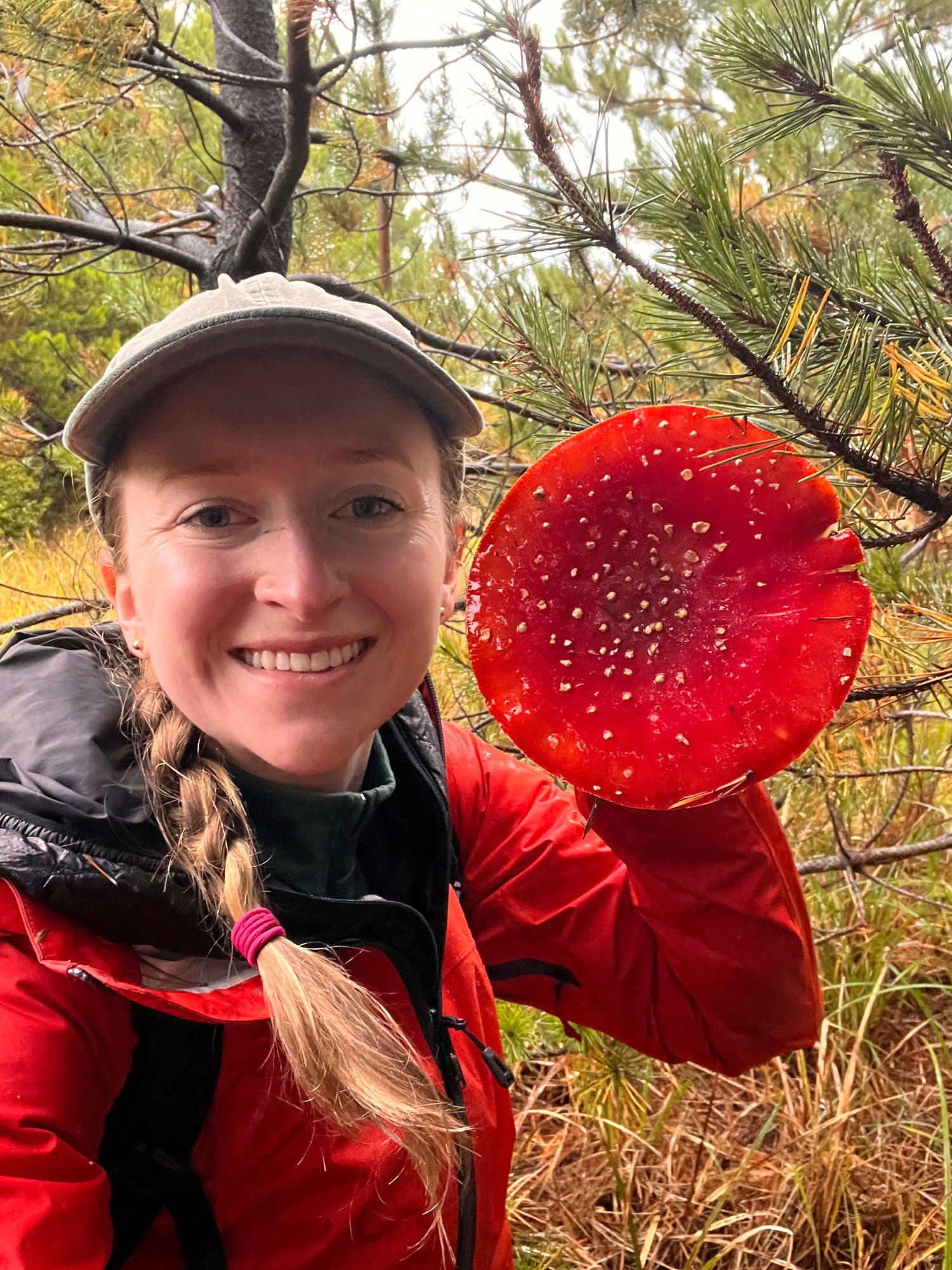
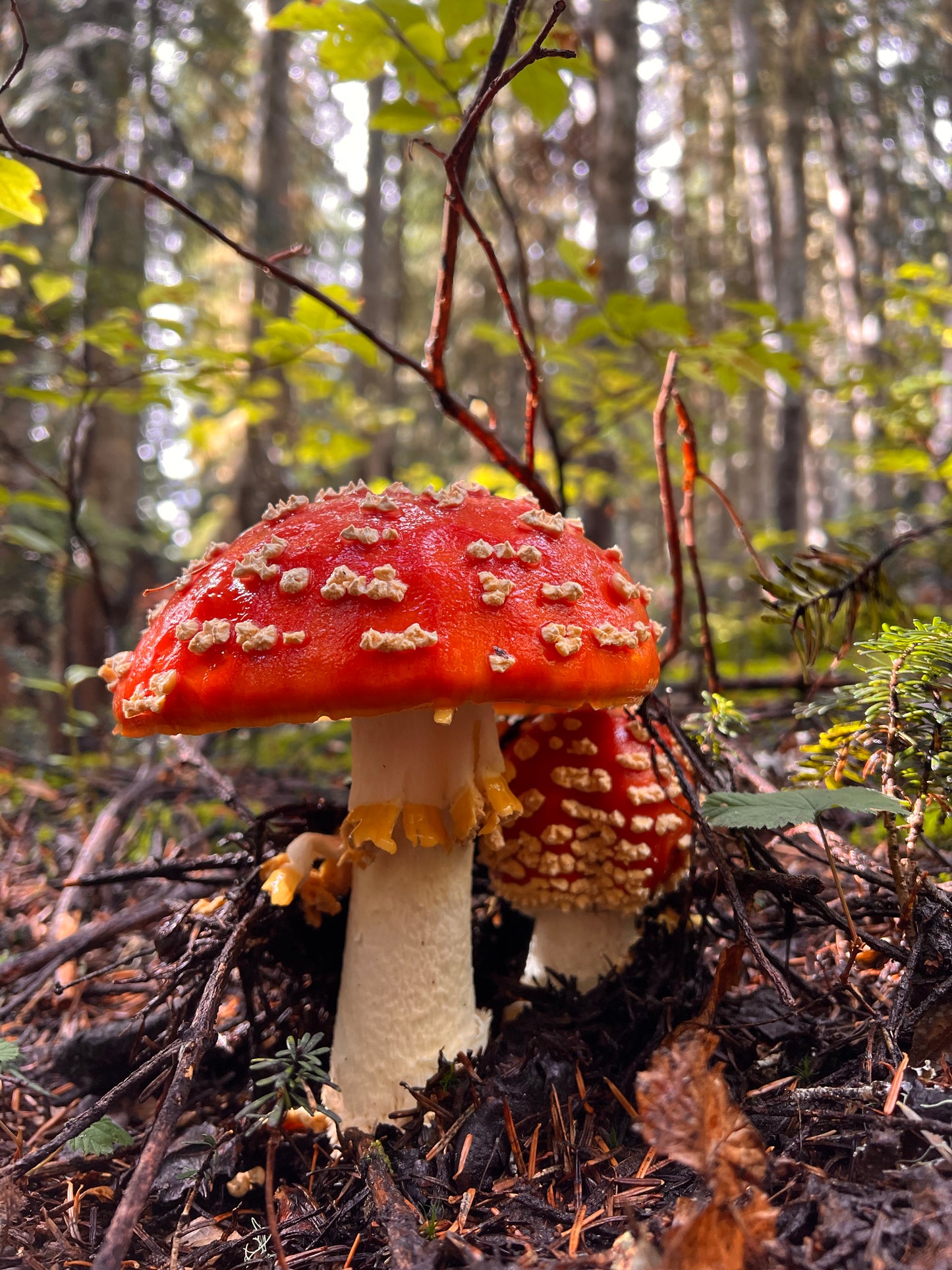
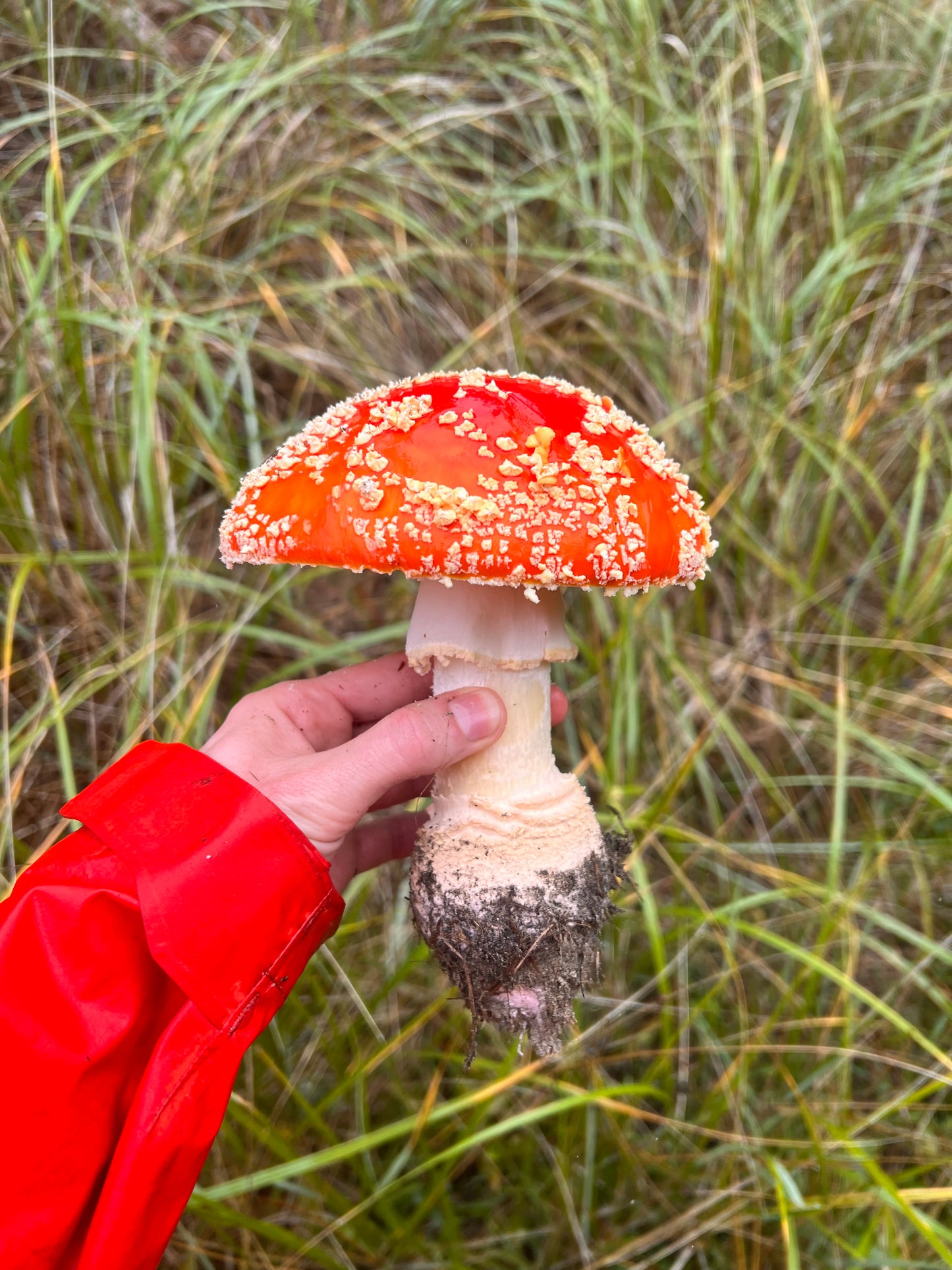
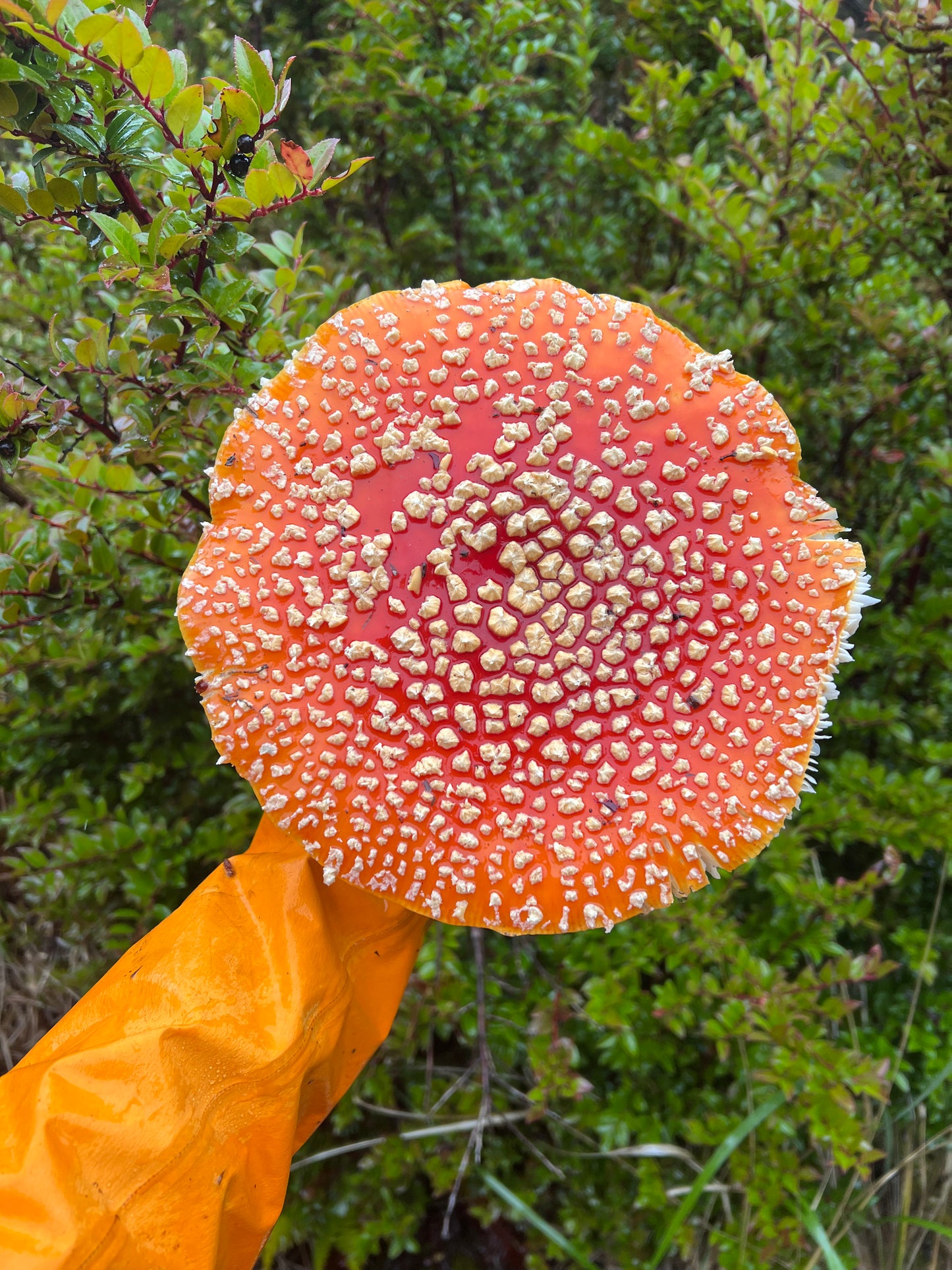
Amanita mushroom caps range in color from a pale yellow to a deep scarlet red. The color often varies due to location, age and sun fading. Originally it was thought that ibotenic acid was responsible for its color, but isolated ibotenic acid is in fact a clear crystalline solid. Deeper investigations into the coloring of Amanita find it is due to a complicated mixture of chemicals. These pigments are not merely cosmetic as several have documented biological activity.
- Beta-carotene: yellow; anti-inflammatory, converts to Vitamin A in the body
- Muscarufins: yellow pigment
- Muscaflavin: yellow-orange pigment
- Betaxanthins: yellow-orange, antioxidant activity
- Carotenoids: orange; anti-inflammatory, converts to Vitamin A in the body
- Musca-aurins: orange, also found in beets
- Stizolobic acid: red-orange pigment & ibotenic acid derivative (see above)
- Muscarubrin: red pigment
- Violet-muskapurpurine: red-violet pigment
- Red-brown muscarubin: red brown pigment
- Amavadin: light blue pigment. Contains the heavy metal vanadium. Researchers hypothesize that amavadin may help the mushroom self-regenerate damaged tissues.
Vitamins & Derivatives:
Though not typically marketed as a nutritional mushroom, Amanita muscaria nonetheless contains a meaningful range of vitamins.
-
Ascorbic acid (Vitamin C): Vitamin C helps the body make collagen, an important protein used to make skin, cartilage, tendons, ligaments, and blood vessels. Vitamin C is needed for healing wounds, and for repairing and maintaining bones and teeth. (28)
-
Tocopherols (Vitamin E). Used as an antioxidant in mushrooms. As a supplement, vitamin E helps prevent blood clots & boost immune system function. (23)
-
Carotenoids (Vitamin A): Can be converted into Vitamin A in the body. Has anti-inflammatory properties. (24)
-
Biotin: Protects the mushroom from parasites. In humans, biotin supports energy production. (21)
-
Niacin (Vitamin B3): As a supplement niacin is used to reduce inflammation and improve blood circulation. (22)
-
Ergosterol: Effective as antiviral, antibacterial, anti-inflammatory, anti-diabetic, neuroprotective and anti-cancer. (3) Anti-cancer effect of ergosterol is associated with the inhibition of angiogenesis caused by a growing tumor. Amanita fruiting bodies contain large amounts of ergosterol - up to 77mg/g of dry mass. (4). Compare that to button mushrooms which contain 7.8mg/g (5)
- Hyoscyamine: an alkaloid that is a natural antimuscarinic. It inhibits the parasympathetic nervous system which activates the salivary, bronchial and sweat glands as well as the eye, bladder, heart and gastrointestinal tract. Used clinically to relieve spasms in peptic ulcers, IBS, colic, diverticulitis, and pancreatitis.
Enzymes:
Enzymes in mycorrhizal mushrooms are used to catalyze reactions within the organism and to facilitate the binding of their mycelium to tree root tips. It's part of what makes Amanita’s relationship with the forest so complex.
- DOPA 4,5-dioxygenase: key enzyme of betalain biosynthesis
- Aspartic protease: functions in nutrition and pathogenesis
- 4-aminobutyrate (GABA-T):transfers nitrogenous groups between molecules; helps produce succinate semialdehyde and L-glutamate in fungi.
- 6-hydroxynicotinate: catalyzes the conversion of 6-hydroxynicotinic acid to 2,5-dihydroxypyridine
Research note: These enzymes are identified and characterized biochemically; their specific effects on human health when consumed are not studied.
Lipids:
Lipids are fatty molecules essential for energy storage, vitamin absorption, hormone production, and cell membrane integrity.
- Linoleic acid: essential omega-6 fatty acid
- Oleic acid: monounsaturated fat; the primary fat in olive oil
- Stearic acid, Palmitic acid: saturated fats; standard components of cell membranes
- Hydroxy fatty acids: present in very low amounts
- 1,3-diolein diacylglycerol: documented as a house fly attractant; the original source of the “fly agaric” name
- Sphingolipids (Ceramides & Cerebrosides) — may support growth regulation, cell migration, and inflammatory response
- Phospholipids: structural components of all cell membranes
Polysaccharides:
Disaccharides and polysaccharides are especially good carbon sources for the production of mushroom fruiting bodies.
-
Fucomannogalactan: Has documented anti-inflammatory and antinociceptive (pain-reducing) properties. (Ruthes et al., 2013)
-
(1-3),(1-6)-linked beta-D-glucan: structural component of the fungal cell wall; shows significant antitumor activity against sarcoma tumors in mice.
Phenolic Compounds:
Amanita muscaria contains the following classes of phenolic compounds, most of which have documented antioxidant and anti-inflammatory properties as compound classes:
Flavonoids, Lignans, Oxidized polyphenols, Phenolic acids, Stilbenes, Tannins
Minerals:
Potassium, Phosphorus, Calcium, Thiamine, Riboflavin, Pyridoxine, Pantothenic acid, Nicotinic acid, Nicotinamide, Folic acid, Cobalamin, Zinc, Selenium
Research note: Standard mineral profile; concentrations vary significantly by region and host tree. Not a primary reason to consume Amanita but adds to its nutritional completeness.
Amino Acids
Amino acids are molecules that are used by all organisms to build proteins. Mushrooms are especially rich in amino acids and protein, and Amanita is no different. 2 deserve particular attention.
-
L-DOPA (L-3,4-dihydroxyphenylalanine): a direct precursor to dopamine that crosses the blood-brain barrier. Therapeutically used for Parkinson’s disease. Its presence in Amanita at typical consumption levels is unlikely to produce clinical effects, but it is a bioactive compound.
-
NAC (N-acetylcysteine): a well-studied over-the-counter supplement. NAC stimulates glutathione biosynthesis, supports detoxification, and acts as a direct free radical scavenger. Glutathione is one of the body’s most important antioxidants and is linked to brain health, immune function, and blood sugar stability. (NAC’s effects are well-studied as a supplement; its concentration in Amanita and the relevance of that concentration to supplemental doses is not established.)
Full amino acid list: Tyrosine, Phenylalanine, Leucine, Valine, Isoleucine, Alanine, Aspartate, Asparagine, Glutamic acid, Aspartic acid, Threonine, L-DOPA, NAC
Metals: Why Sourcing Matters
Amanita muscaria mushrooms get their nutrition through a process called absorbotrophy or by using its mycelium to absorb nutrients from their surrounding environment. This means the fly agaric is able to absorb and bioaccumulate potential metals from the soil. This makes Amanita an effective bioindicator of soil contamination, which is ecologically useful, however it is practically significant for anyone consuming it.
Metals identified in Amanita muscaria samples include:
- Potentially beneficial or neutral at trace levels: Vanadium (V), Potassium (K), Rubidium (Rb)
- Potentially harmful at elevated levels: Mercury (Hg), Cadmium (Cd)
- Non-toxic: Arsenic compounds: Arsenobetaine, Arsenocholine, Tetramethyl-arsenic salt, Cacodylic acid (Note: Arsenobetaine and Arsenocholine are organic arsenic forms considered relatively non-toxic; inorganic arsenic is the harmful form. Speciation matters here.)
The practical implication is clear: Amanita muscaria should only be consumed when sourced from clean, uncontaminated environments. Avoid mushrooms foraged near industrial sites, sewage irrigation, mining areas, or roadsides. Metal content is highly variable and directly reflects local soil conditions.
At Luminita, mushrooms are hand-foraged from established forests of the Pacific Northwest and are chosen specifically for their distance from industrial contamination and their clean, nutrient-rich soil. For a mushroom that bioaccumulates whatever is in the ground around it, sourcing is a safety issue.
Other Notable Compounds
- Ergothioneine: a powerful antioxidant amino acid found in high concentrations in mushrooms generally; particularly protective for mitochondria.
- Glutathione: one of the body’s primary antioxidants; supports detoxification and brain health
- Adenosine: involved in cellular energy transfer and sleep regulation
- Acetylcholine: present in very small amounts; neurotransmitter involved in memory and muscle function
- Choline: precursor to acetylcholine; supports brain health and liver function
- Uracil, Hypoxanthine, Xanthine: nucleobases; metabolic intermediates
- Quinolinate: a metabolite of tryptophan; involved in NAD+ synthesis
- Isocysteine Sulfoxide, Succinate, Gluconate, Malate, Formate, Fumarate, Acetate: organic acids and metabolic intermediates
Putting It All Together: The Case for Whole Mushroom
The chemical complexity of Amanita muscaria is not incidental. It did not evolve these hundreds of compounds by accident. Many serve ecological functions like protecting her from thermal stress, pathogens, insects, and environmental toxins. The same molecules that help her survive in the forest also interact with human physiology in ways we are only beginning to understand.
The mannitol hypothesis is the most scientifically specific example: a compound with a known blood-brain barrier mechanism that may help explain why whole-mushroom preparations outperform isolated muscimol. The anti-inflammatory polysaccharides, the antioxidant ergothioneine and glutathione, the hormone-modulating GABA enzyme activity, the ergosterol concentrations ten times higher than in button mushrooms — none of these are captured in a muscimol isolate.
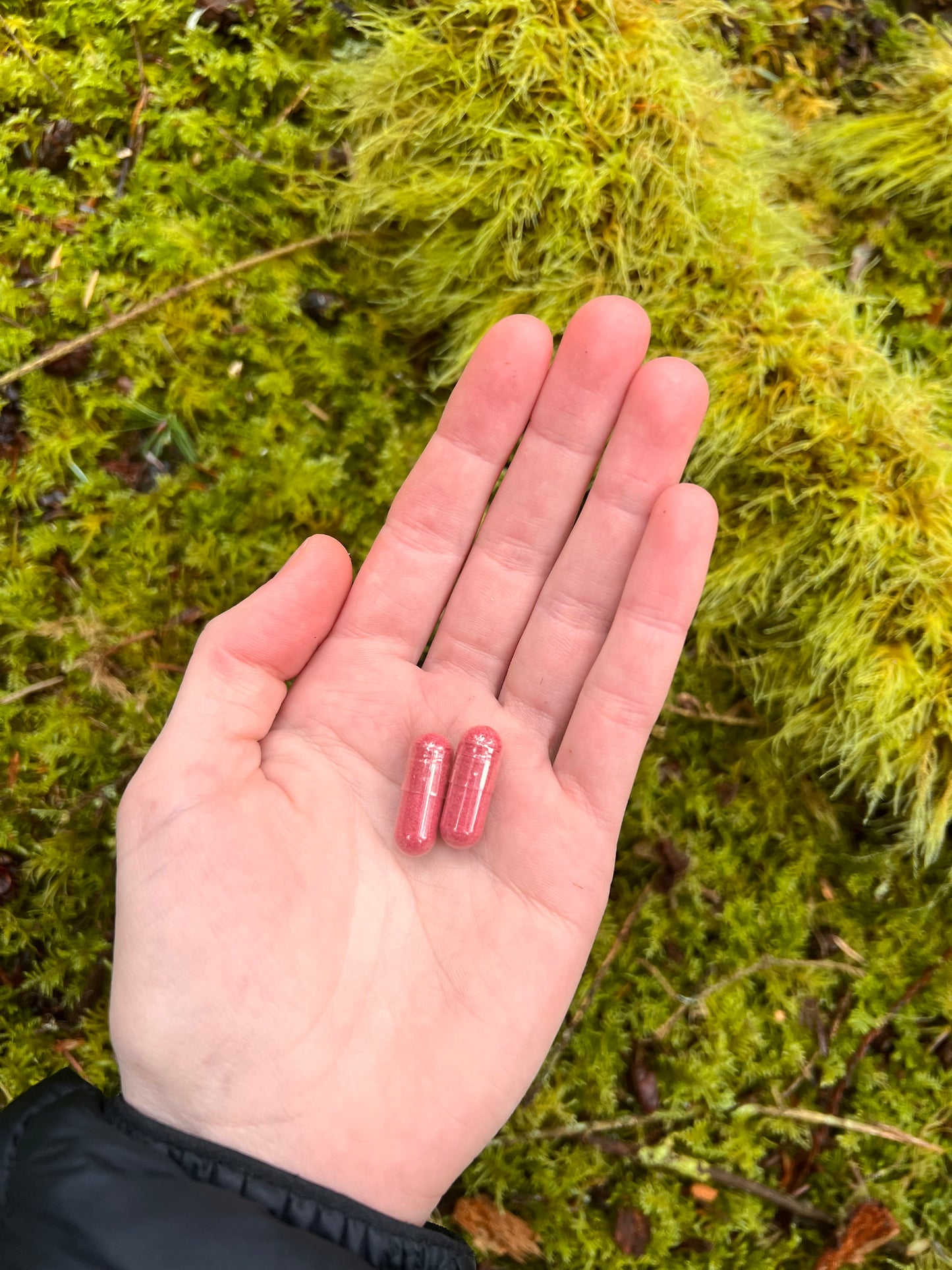
This is why at Luminita, every capsule is made from the whole mushroom, hand-foraged, precision-decarboxylated, and encapsulated without isolating or removing her other constituents. The mushroom is the medicine. The full chemical picture is part of why. [Shop Luminita Capsules →]
References:
(1)https://my.clevelandclinic.org/health/articles/22857-gamma-aminobutyric-acid-gaba
(2)https://pharmacia.pensoft.net/article/56112/
(3)https://www.mdpi.com/2304-8158/12/13/2529
(4) Fly Agaric: A Comprndium of History, Pharmacology, Mycology and Exploration. By Kevin Feeney. book.
(7)https://www.mdpi.com/2673-8392/1/3/69
(8)https://www.news-medical.net/life-sciences/What-are-Lipids.aspx
(10) Novaes MRCG, Valadares F, Reis MC, GonçalvesDR, Menezes MC (2011) The effects of dietary supplementation with Agaricales mushrooms and other medicinal fungi on breast cancer: Evidence-based medicine. Clinics 66: 2133- 2139.
(11)https://pubmed.ncbi.nlm.nih.gov/23932733/
(12)https://pubs.rsc.org/en/Content/ArticleLanding/1959/JR/JR9590003250
(13)https://www.sciencedirect.com/topics/chemistry/betalamic-acid
(14)https://journals.sagepub.com/doi/10.1016/j.wem.2022.06.002?icid=int.sj-full-text.similar-articles.1
(15)https://pubchem.ncbi.nlm.nih.gov/compound/Hyoscyamine
(16)https://pubmed.ncbi.nlm.nih.gov/12559386/
(17)https://www.sciencedirect.com/science/article/abs/pii/S0379073806000090
(18)https://go.drugbank.com/drugs/DB00747
(19)https://www.ncbi.nlm.nih.gov/pmc/articles/PMC3956731/
(22)https://www.mountsinai.org/health-library/supplement/vitamin-b3-niacin
(24)https://lpi.oregonstate.edu/mic/dietary-factors/phytochemicals/carotenoids
(26)https://www.unodc.org/unodc/en/data-and-analysis/bulletin/bulletin_1970-01-01_4_page005.html
(27)https://www.ncbi.nlm.nih.gov/pmc/articles/PMC3621793/
(30)https://www.sciencedirect.com/science/article/abs/pii/S0278691519304764